Windows won’t boot after changing MSCONFIG BOOT Advanced options

After changing the “Number of processors”, “Maximum Memory”, “PCI Lock” settings in the MSCONFIG Advanced Boot Options dialog, Windows may not start correctly. In some cases, you’ll see the “HAL INITIALIZATION FAILED” or other blue screen errors at startup.Read more

[CBS] Error 80041002 When Installing Windows Updates

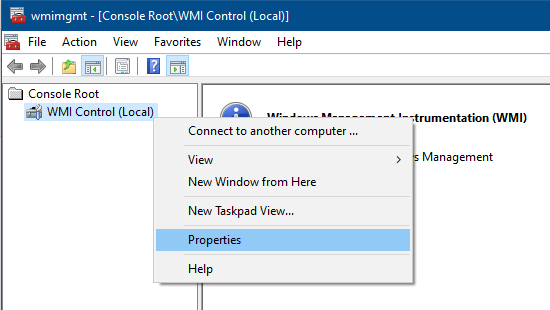
wmi repository rebuild wmimgmt

After being unable to install Windows Updates, the error code 80041002 may have been recorded when you checked the CBS logs. Here’s an excerpt from CBS.log: 000009a4 (F) Installer: Mof Binary Name: cmiadapter.dll ErrorCode: 80041002 Phase: 32 Mode: Install (upgrade) Component: Microsoft-Windows-NetworkProfile-CIM, Culture=neutral, PublicKeyToken=31bf3856ad364e35, ProcessorArchitecture=amd64, versionScope=NonSxS[gle=0x80004005] Error CSI 00000944@2023/1/4:13:48:41.970 (F) CMIADAPTER: Exiting with HRESULT code … Read more

How to Rebuild the EFI Boot Partition, BCD and Boot Files

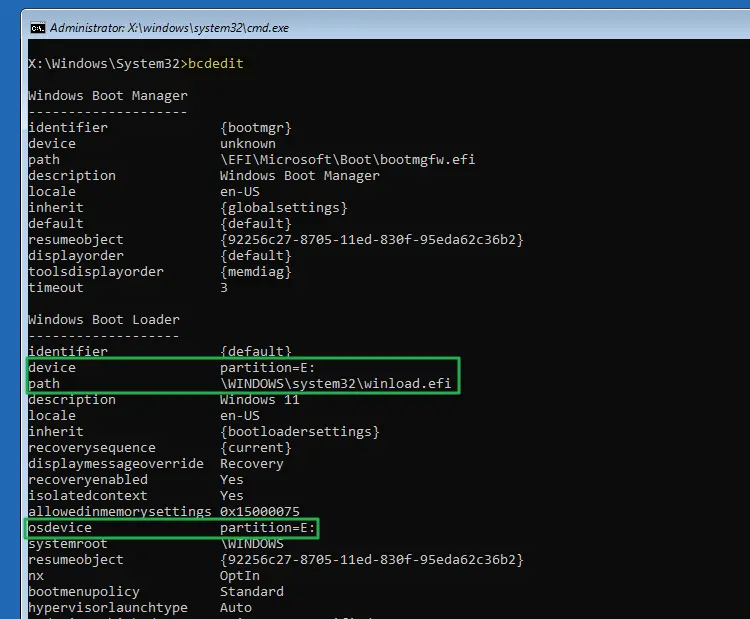
bcdedit - find windows drive letter osdevice

The EFI boot partition is a FAT32 partition that stores the boot files and the boot configuration data (BCD) to load Windows. Sometimes, the boot partition or the BCD may get corrupted, and the boot files remain unserviceable by the Windows Setup process. In that case, rebuilding the EFI partition and recreating the BCD & boot files should resolve the issue.Read more

Windows Modules Installer (TrustedInstaller) Service Missing or Throws Error 3

Regedit.exe File Import menu - Registry Editor

When you open the Services MMC, the Windows Modules Installer Service (“TrustedInstaller”) service may be missing from the list. On some systems, the Windows Modules Installer service may exist, but attempting to start the service causes error 3. Windows could not start the Windows Modules Installer service on Local Computer. Error 3: The system cannot … Read more

Find Unnecessary Device Drivers in your Windows PC

Windows Assessment and Deployment Kit (Windows ADK) setup screen

Your Windows installation may get bloated over time with unwanted device driver packages. The driver store may accumulate drivers that aren’t required by the system — i.e., the hardware no longer exists, or another package has superseded the driver. You can remove device drivers in Windows using several methods. But how do you find out … Read more