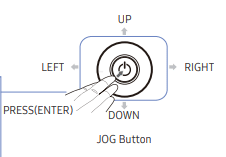
My new Samsung Curved monitor has the power button on the rear end, perhaps for aesthetic purposes. I have been using monitors that have controls on the front or underneath the bezel all these years. Now, with the new monitor, I find it a little bit inconvenient to reach out to the button on the backside every time I need to turn off or turn on the display.Read more
How to Clear Windows 10 Clipboard History Using Shortcut
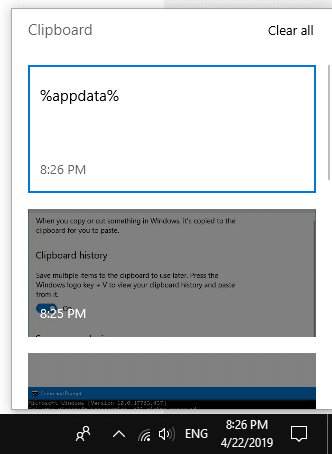
The new Windows 10 Clipboard lets you save multiple items in the clipboard so that you can use it later. You can also pin the required items in the Clipboard history panel so that they’re not discarded by the system, or accidentally deleted by the user.
You may every now and then want to clear the clipboard to remove any sensitive information like password etc., from the history. This article explains how to create a desktop shortcut to clear the Windows 10 new clipboard history automatically.Read more
How to Find and Remove Empty Folders in Windows
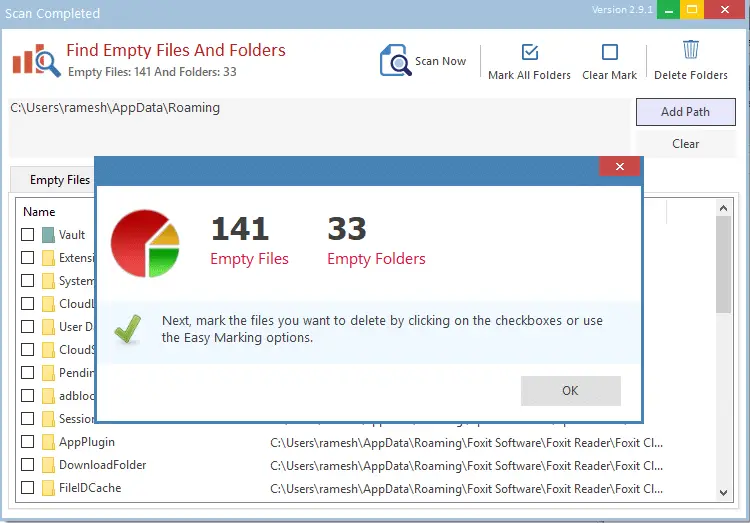
Over time, hundreds of empty folders and junk files may take up your hard disk. While the junk files occupy disk space and can be cleaned up using Disk Cleanup or Storage settings, the empty directories remain.
The empty folders don’t take up disk space, but to organize your data better, you may want to prune them every once in a while.
This article discusses different methods to find and remove empty folders on your computer.Read more
Add “Open with Notepad++” to the Right-Click Menu
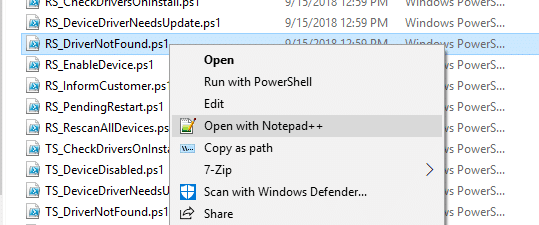
Many users have replaced Notepad with Notepad++ as the default text editor on their computers. Others use Notepad++ only when needed, and launch it via the Open with menu and choose Notepad++ from the list of options.
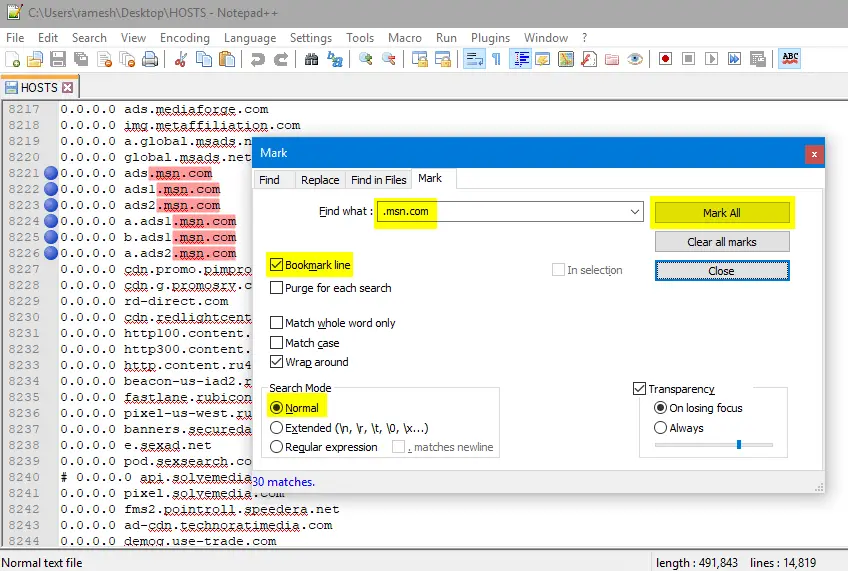
This post tells you how to add the Open with Notepad++ command to the right-click menu for text files in Windows. This tip is especially helpful for those who use the Notepad++ portable copy.Read more
Enable or Disable Windows Defender Using Shortcut or Command-line
Windows Defender, the built-in anti-virus program in Windows, has useful features such as cloud-based protection, offline scanning, limited periodic scanning, tamper protection, controlled folder access, etc.
Almost every aspect of Windows Defender can be managed or automated using the MpCmdrun.exe command-line tool and PowerShell cmdlets. There are times when you need to temporarily disable your Windows Defender real-time protection on your test (non-production) systems and switch it back on after a few minutes.
You may prefer a single-click shortcut or script solution because of the following reasons:
- It takes several mouse clicks to turn off/on the Windows Defender real-time protection through the user interface.
- The Turn off Microsoft Defender Antivirus Group Policy setting or its equivalent registry setting
DisableAntiSpyware = 1would require rebooting the computer. - Microsoft has discontinued the
DisableAntiSpywarepolicy/registry setting in Microsoft Defender Antimalware platform versions 4.18.2007.8 and higher.DisableAntiSpywareno longer works!
This post explains how to enable or disable Windows Defender in a single click using desktop shortcuts or command-line without requiring a restart.
Contents
How to Clean Up the Windows Installer Cache Folder
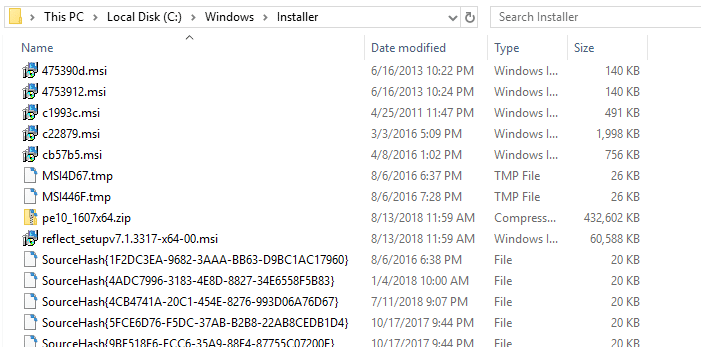
When you install a program in Windows, the program’s .msi or .msu setup package gets copied to the C:\Windows\Installer folder. The Installer folder is a protected folder with System & Hidden attributes and is found under your Windows folder.
What is the Windows Installer folder?
The Installer directory is intended to serve as a cache for installer data files for various applications installed on the computer.Read more
How to Uninstall Preinstalled Apps in Windows 10/11
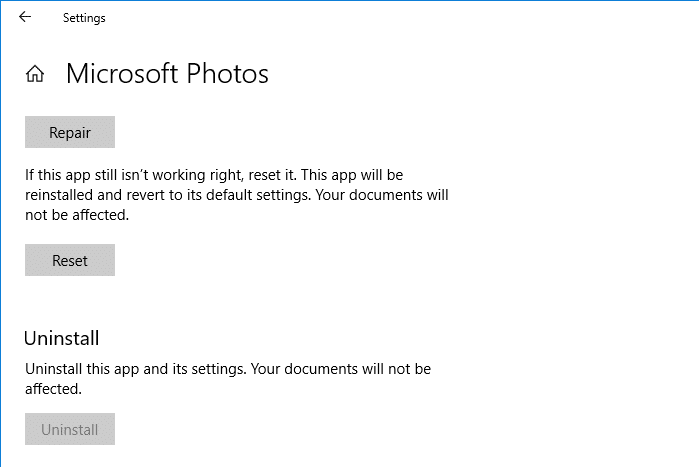
In early builds of Windows 10, no user interface option was provided in the Settings to remove a preinstalled Store app (UWP). On those builds, the only way was to use PowerShell to remove or reinstall the apps.Read more
[Fix] Cannot Add a Program to Open with List in Windows
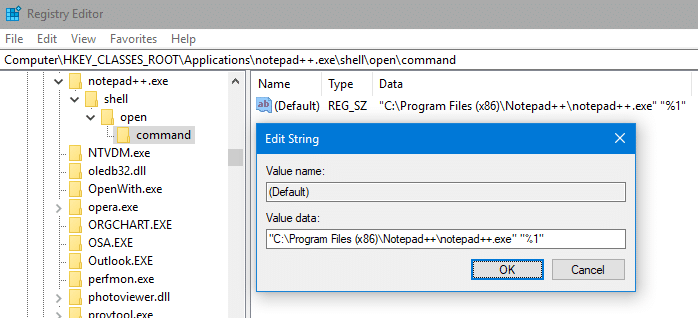
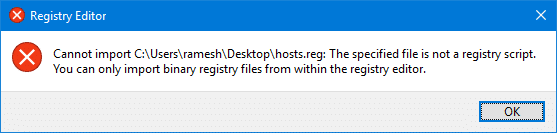
When you right-click on a file, select “Open with”, click “choose another app” and select a program using the Browse dialog, the program may fail to appear in the “Open With” dialog.
It may appear as if nothing happened after you selected the program in the browse dialog — i.e., the Open with dialog simply ignores your selection. This is a bug that exists since the Windows XP era (at least) and remains in Windows 10 as well. This article shows how to fix the Open with problem.Read more