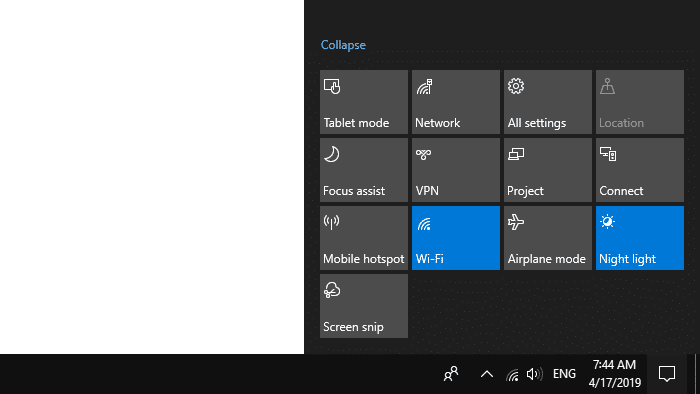
Windows 10 has a built-in setting to turn off or reduce blue light emitting from your computer screen. Reducing the blue light emitting from your screen helps lower the risk of sleep disruption and reduce eye strain. The setting is known as “Night Light” in Windows 10. With the blue light filtering option enabled, Windows shows warmer colors to make it easier to sleep at night.Read more
Utilities
Block Skype Ads by adding the Ad Server to Restricted Sites
If you’re a regular Skype user who finds the Skype chat window ads to be distracting, here is a neat way to disable the ads and the ad placeholders. The instructions apply to Skype 7 desktop app for Windows.Read more
Add Tabbed UI to any Program in Windows 10
TidyTabs is a program that brings tab support to all of your programs. You can add the tabbed browsing capability to any program window, including File Explorer, Office applications, Wordpad, Notepad, etc.Read more
Find Which Program is Using Your Webcam Currently
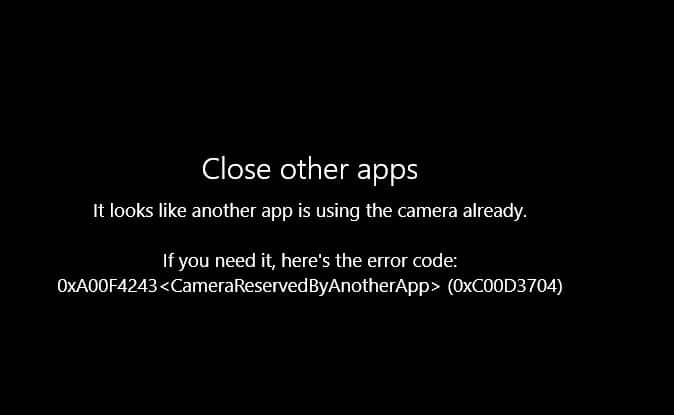
Does your webcam indicator LED get turned on automatically without you doing anything? Are you’re worried if you’re being spied upon by some malware? Or, are you seeing the error “Your webcam is currently being used by another application” when using Skype or other messaging application?
The built-in Camera app may throw the error 0xa00f4243 saying
Close other apps
It looks like another app is using the camera already.
If you need it, here’s the error code:
0xA00F4243<CameraReservedByAnotherApp> (0xC00D3704)
Here is a neat way to find which program is using your webcam or microphone.
RELATED: What is Device Census and Why is It Using My Webcam?Read more
Scanning your PC using Malicious Software Removal Tool (MSRT) and Microsoft Safety Scanner
Microsoft Malicious Software Removal Tool (MSRT) is a post-infection removal tool which is updated every month and rolled out through the Windows Update channel. Malicious software scanning runs as you install MSRT from Windows Update. You can also initiate scans manually whenever needed by running mrt.exe in the Windows\System32 directory.Read more
Get Notified When Windows 10 Brings a New Spotlight Image Every time [Lock Screen]
Windows Spotlight brings some amazing wallpapers for the Lock Screen, which you can save and use as your desktop background. By now, I’m pretty sure most users know how to view and store the lock screen images collection from the Assets folder.
Then I made a post on how to find the exact file name of the current lock screen wallpaper image in use, using the Registry Editor or a script to find the image file and save it to your Pictures folder automatically.Read more
How to Find Which Process has Locked a File in Windows
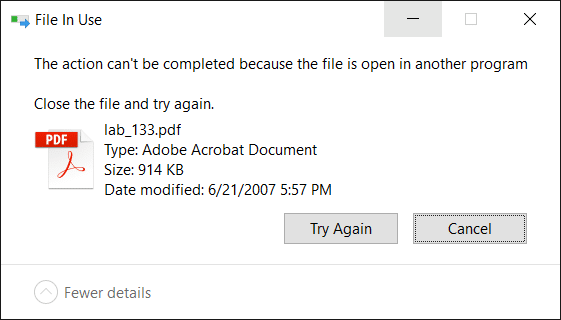
When you attempt to delete a file or folder which is in use by a process, the File In Use dialog appears showing the name of the program that has locked the file.
However, there are cases where the “File In Use” dialog doesn’t show the name of the process that has a lock on the file you’re trying to delete. In some cases, the dialog will show “the action can’t be completed because the file is open in another process“.
For investigating processes and locked files, Windows Sysinternals Process Explorer is probably the first option that comes to mind for most users. However, there are two built-in solutions to display the current open files list along with corresponding process names.Read more
Trend Micro Ransomware Screen Unlocker Tool
Trend Micro has released an unlocker tool that will help you gain access to a computer that’s totally locked by a screen locker ransomware.
If you’re unable to start Windows due to screen locker ransomware infestation, then use another computer to download Ransomware Screen Unlocker Tool from Trend Micro™ and create a USB boot media.Read more
How to Run Programs as TrustedInstaller to Write to Certain Registry Keys or Files
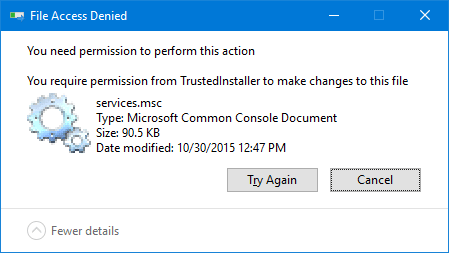
Even when running programs elevated (Administrator), certain registry keys and files are not writable. This may be because the files are owned by TrustedInstaller, and no write access granted for Administrators. In that case, running the program as TrustedInstaller can help fix a locked registry key or clear a file that can’t be accessed anyway.
How to Always Start Google Chrome in Incognito Mode by Default
Google Chrome’s Incognito mode lets you browse the web privately, without leaving traces of your browsing history on the local computer. You can launch Chrome’s incognito mode from an existing Chrome window by pressing Ctrl + Shift + N.
This article tells you how to (always) start Google Chrome in incognito mode by default, when double-clicking an URL file or clicking on a hyperlink in your email.Read more