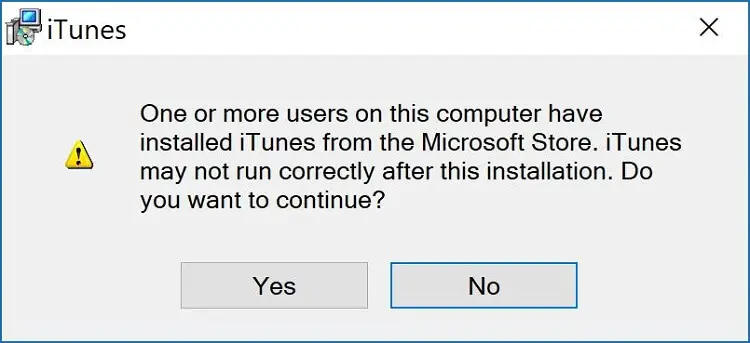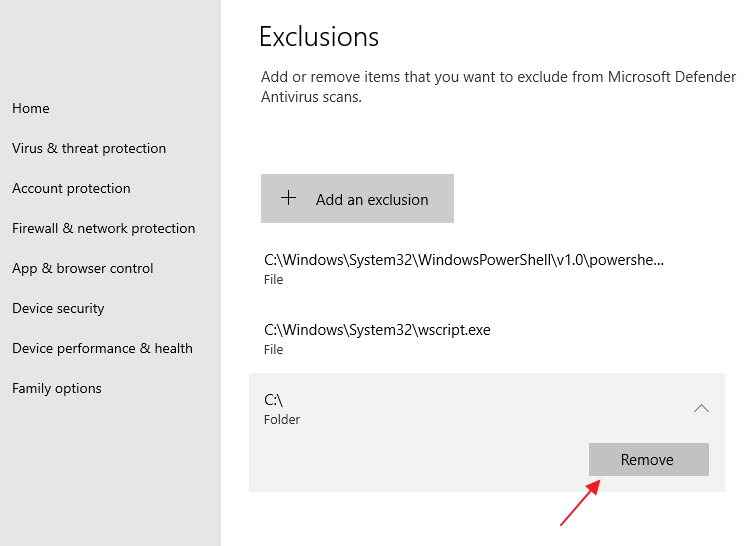
In the aftermath of a malware attack, you often end up with unwanted exclusion entries in Microsoft Defender Antivirus. Exclusions may exist for a folder, file, file type, or process. These exclusions can be cleared by opening the Virus and Threat Protection page in Windows Security.Read more
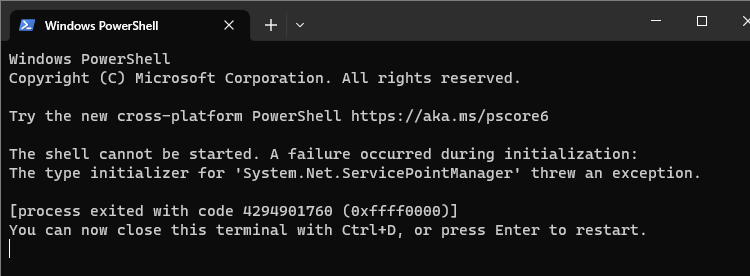
powershell
How to Install Windows Sandbox in Windows 10 and 11
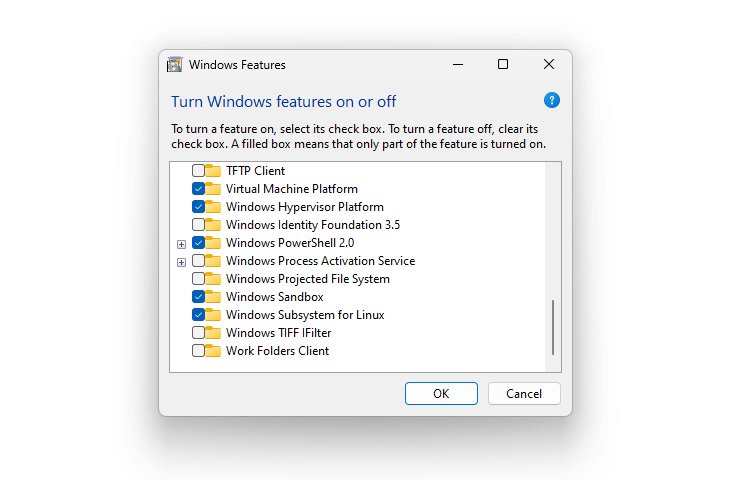
This article explains how to uninstall and reinstall Windows Sandbox in Windows 10 and 11.
Windows Sandbox provides a lightweight desktop environment to safely run applications in isolation. Software installed inside the Windows Sandbox environment remains “sandboxed” and runs separately from the host machine.Read more
Generic Icon Shown for Apps in Start Search Results in Windows 10
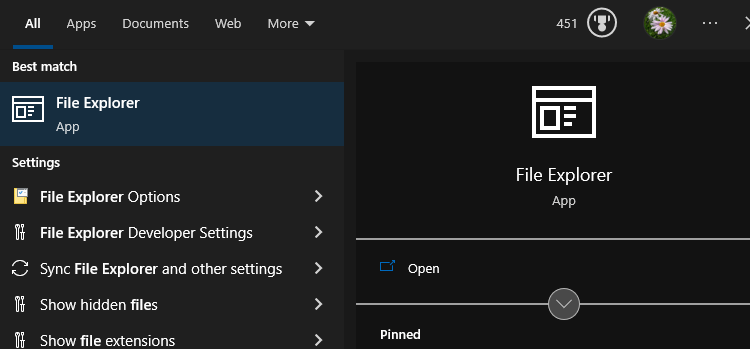
When you search for an application in the Start menu search, an incorrect icon may appear for an app. For example, the File Explorer entry in the search results may show up with a generic icon or glyph, as in the following screenshot:Read more
Windows Update Shows Old Updates
After installing the latest Feature Update, the Windows Update may still show updates that apply to the previous Windows version. For example, after updating to Windows 11 to 22H2 from 21H2, the Windows Update page in Settings lists the updates applicable for Version 21H2.Read more
Accidentally Allowed a Threat in Windows Defender. What to do now?
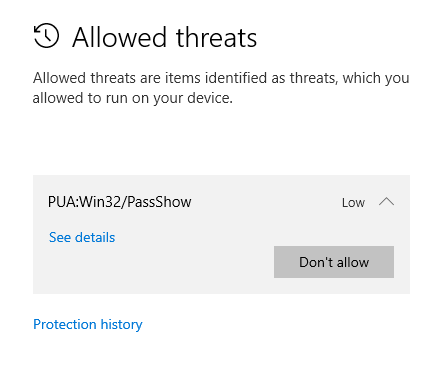
When Microsoft Defender Antivirus finds a virus, it asks you what action to take on the threat. The options are “Remove”, “Quarantine”, and “Allow on device”.
You may wonder:
- What happens if you’ve accidentally clicked “Allow” instead of “Remove”?
- What happens to the “allowed” threat? Will Microsoft Defender Antivirus redetect the item during the next scan?
How to Cancel an Ongoing Defender Scan started with Start-MpScan
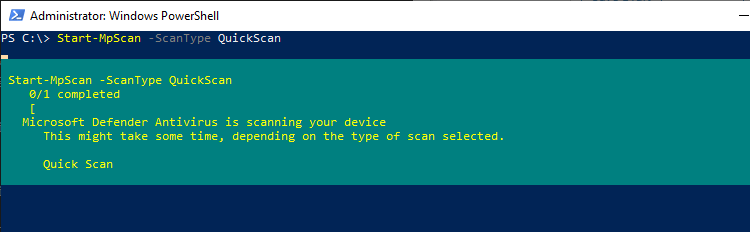
The PowerShell cmdlet Start-MpScan starts a Microsoft Defender antivirus scan, but PowerShell offers no option to stop an ongoing scan. You may wonder how to cancel an ongoing quick/full scan started with Start-MpScan.Read more
What is MicrosoftSecurityApp.exe
MicrosoftSecurityApp.exe (located under “c:\program files\windowsapps\”) is a legit program found on both Windows 10 and Windows 11 systems. MicrosoftSecurityApp.exe is part of the Microsoft Defender store app below.
What is Microsoft.UI.Xaml.2.7 and How to Install it
Microsoft.UI.Xaml.2.7 is a framework that provides Microsoft UI controls and features for Windows UWP apps. This package is required by other Store apps to work correctly. For example, the following store apps require Microsoft.UI.Xaml.2.7.Read more