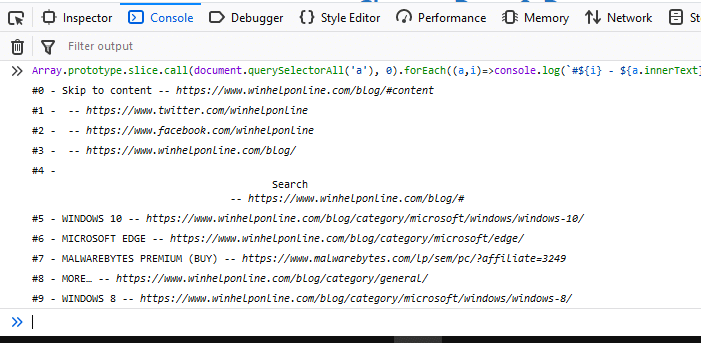
You may need to extract the links (URLs) in a webpage for different purposes — eg., internet research, web development, security assessments, or webpage testing. This article tells you how to extract links from a webpage or HTML document in Windows.Read more
How to Delete Images or Pages from a PDF File
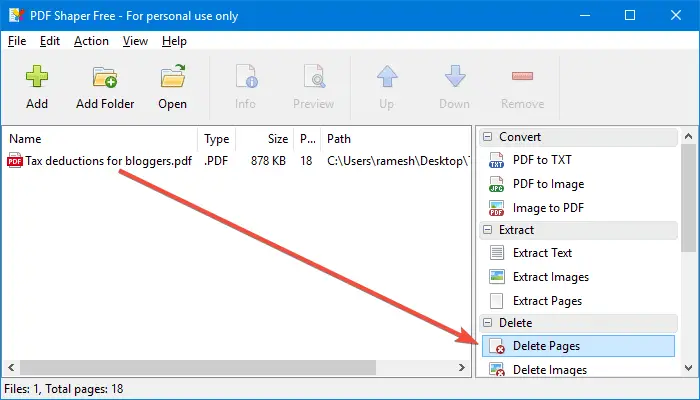
We have numerous freeware PDF document viewers but not many freeware PDF writer tools are available. Sometimes, you may want to remove specific pages from a PDF document or remove images from a particular page in a PDF file completely to keep the file size low. Many online portals provide the PDF editing and merging features you’re looking for. But if you need an offline tool (for privacy concerns) to remove images or delete pages from a PDF document, this article has the info you’re looking for.Read more
How to Delete Empty files (0 byte) in Windows?
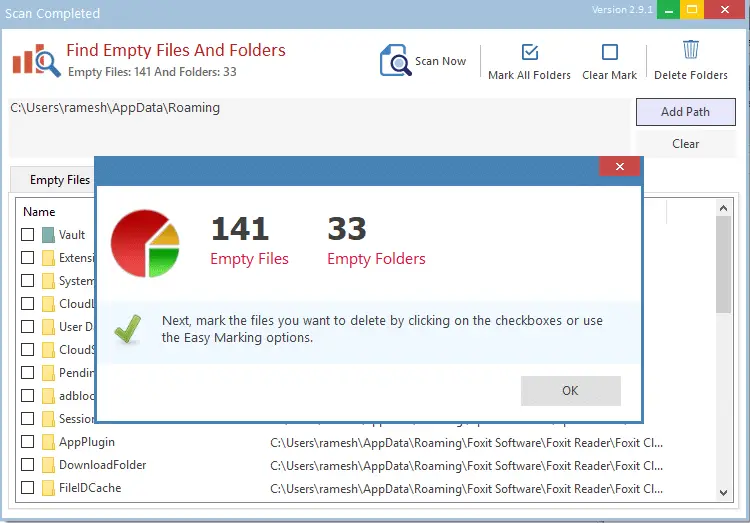
Some applications create empty 0-byte files in their data folders and fail to clear them up. Over time, if you see many zero-byte files in a folder hierarchy, here are some methods to find all those 0-byte files and delete them.
How to use .REG files (Registration Entries) in Windows?
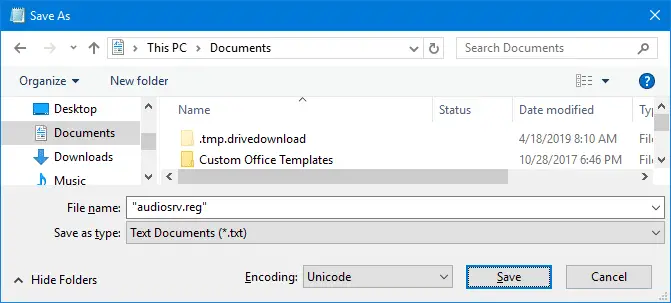
Many of the articles in this site contain links to .reg (Registration entries) and .vbs (VBScript) files. In some articles, I post the contents of .reg file so that users can make one themselves. This article explains how to create and run .reg files in Windows. Create and apply a .reg file For example, the … Read more
Folder Names Truncated after the Dot (Period) in Explorer
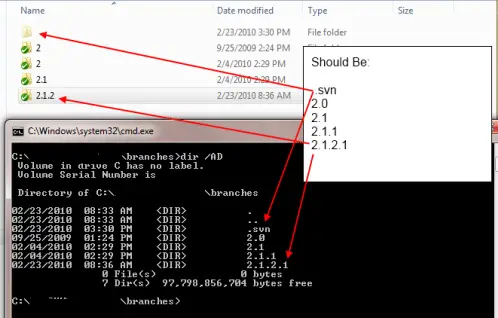
If folder names containing one or more dot (.) in the name are truncated in Explorer, this may have to do with third-party shell extensions or corrupted folder view settings.
For example, if you have folders like the ones below, with one or more dots or periods ( . ) in the folder name, as below:
- Project.5.0_Branch
- Project.5.1_Branch
- Project.5.2_Branch
- Project.5.3_Branch
- Project.5.4_Branch
File Explorer may display it as:
- Product.5
- Product.5
- Product.5
- Product.5
- Product.5
The last dot and the character(s) after the last dot are cut off. Note that this happens regardless of your Hide extension for known file types choice in Folder Options → View tab.Read more
Change Default Apps and File Association via Command-line
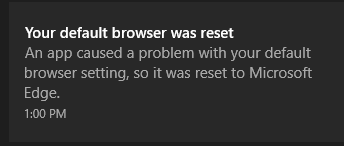
Summary: This post explains how to change the default apps or file associations using the command-line in Windows 10 and 11. This can be accomplished by a command-line tool named SetUserFTA.Read more
WinDiff Help File Contents (windiff.hlp) in HTML format
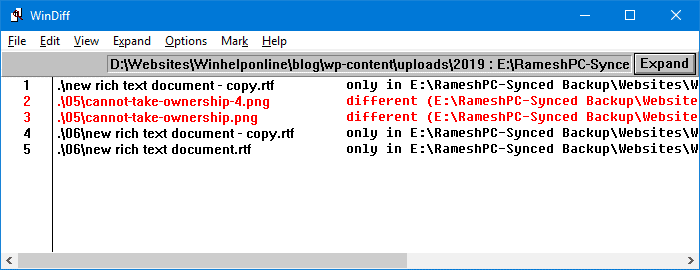
WinDiff help file (windiff.hlp) contents Invoking Windiff from the command line File menu Edit Menu View menu Expand menu Expanded mode display Options menu Mark menu Zebra Stripes For Help on Help, Press F1 Windiff compares directories or files showing the results graphically. This is to DIFF as graphs are to columns of numbers. Download … Read more
File Explorer does not Highlight Files or Folders in Windows 10
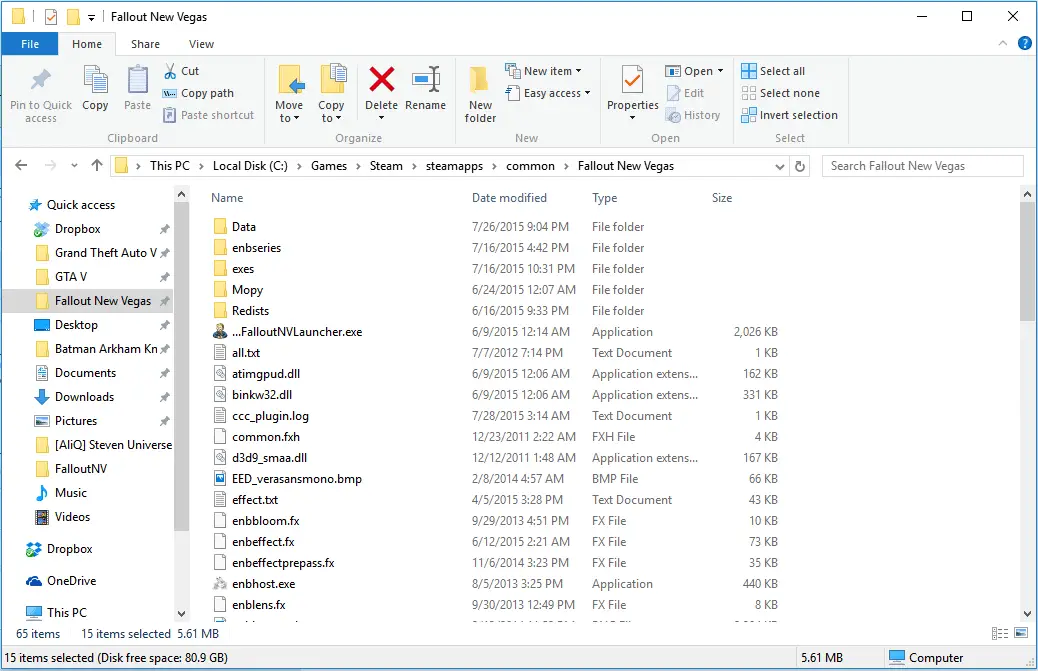
When you select one or multiple files or folders in File Explorer, the selection may not be highlighted although the status bar may report the number of items selected. This can be very annoying when you want to open a file using File Explorer or during copy operations.Read more
[Fix] UAC asks for password even if logged in as administrator
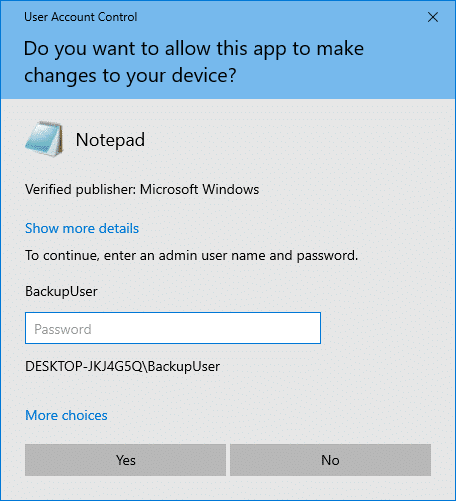
Is the UAC dialog asking for the password during elevation even though you’re logged in to an administrator account?
For non-admin accounts, the UAC elevation asks for admin credentials, but for administrator accounts, the UAC dialog should just ask for consent, not password, when launching non-Windows executables in elevated mode.
Here is how to fix the problem if UAC asks for the admin credentials even if you’re logged in as an administrator.Read more
How to Clear Firefox Cache, Cookies, History for Specific website
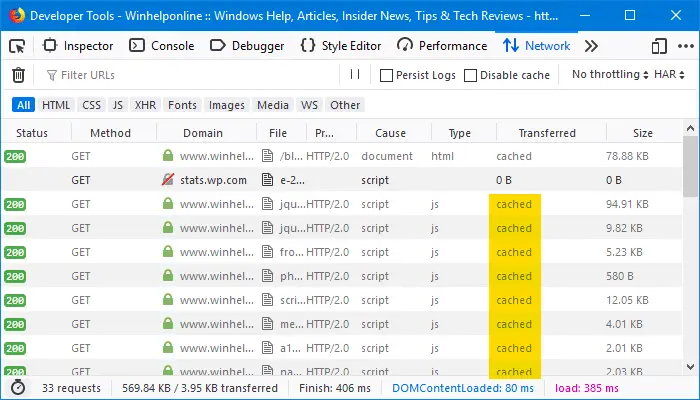
You may sometimes need to clear the browsing history when testing websites, especially if you’re a developer. Web developers use the F12 developer tools (a.k.a. Inspector) disable caching when designing web sites.
Besides the developer tools method, there is another excellent Firefox feature called Forget About This Site that clears the cache, cookies, site data and history for a specific website in a single click.Read more