Using ActiveX Filtering in Internet Explorer 9

Internet Explorer 8 introduced the Per-Site ActiveX feature which allowed users to run a certain ActiveX control only on white-listed sites. This feature was explained in our earlier article How to Disable Adobe Flash Animations for All but White-Listed Sites in IE8. Internet Explorer 9 introduces another similar feature named ActiveX Filtering. When ActiveX Filtering … Read more

How to Reset Folder View Settings in Windows 10/11 and Earlier

folder view bags

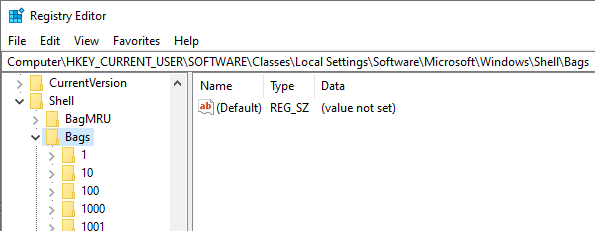
Folder view settings include column preferences, view mode (icon or thumbnail), grouping, sorting order, window size, etc. Sometimes Windows may forget your folder view settings due to corruption or if the 5000 folders limit has been reached.

For instance, Windows may keep resetting the view back to “List” even though you repeatedly choose the thumbnail view. Another example would be that the system keeps enabling the auto-align setting for your desktop icons into a grid (even when the Align icons to grid is not ticked.

Or, let’s say you had added additional columns in a folder and closed the folder. When you reopen the folder, the changes may not be retained, and it goes back to the default view and sort order settings.

In those situations, you may want to reset the views to clear out corrupt settings and start afresh. This article explains how to completely clear the saved folder views in Windows Vista, 7, 8, 10, and Windows 11.Read more
Extract Contents of .MSI File and Add “Extract All” to Right-Click Menu

extract msi file contents command-line

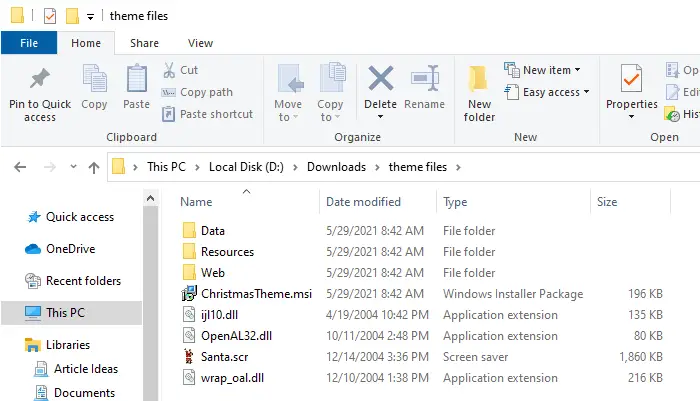
There are situations when you need to pick a single file from a .msi package without going through the installation phase. One good example is that a stand-alone or portable application wrapped in a .msi package. Or, you may need to extract a particular wallpaper image from a theme installer.

In that case, you can avoid running the setup and extract the contents of the .msi package manually. Thus there won’t be a need for a System Restore point, the addition of several registry keys, and a few temporary directories (which would be the case if you run the setup).

No third-party tools are needed; you can do this using the Windows Installer executable msiexec.exe command-line.Read more

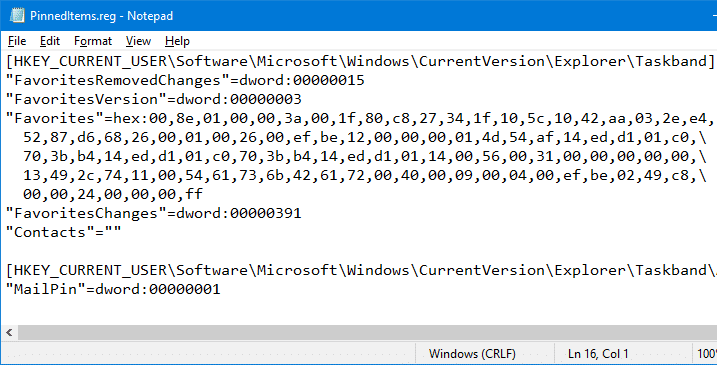
How to Backup and Restore Pinned Taskbar Shortcuts in Windows 10

taskband registry key export

When you install Windows on a new computer, customizing Windows takes a lot of time and effort. One such thing is the taskbar. You may have to redo the procedure of pinning the applications which you frequently use. If you’re planning to move to a new Windows PC or a new user profile on the same computer, and wondering how to transfer the pinned taskbar items, then this article is for you.

This post explains how to backup and restore the pinned Taskbar items in Windows 10 and earlier.Read more

How to Backup the Pinned Start Menu Shortcuts in Windows 7/Vista/XP

The Pinned items listing which you see at the top of the Start menu is stored in the registry as a REG_BINARY value, and Windows provides no GUI to backup and restore the Pinned items configuration. In case you want to transfer the Pinned items configuration to another user profile, you need to use the Registry Editor and backup the settings in the source profile.Read more

“Pin to Taskbar” and “Pin to Start Menu” Missing in Windows 7

After deleting the IsShortcut registry value to remove the shortcut arrow overlay in shortcuts (.lnk) files, you may notice that the “Pin to Taskbar” and the “Pin to Start Menu” context menu items go missing when you right-click on a shortcut. Also, one or more of the context menu items may appear twice, as in the image below.Read more

How to Disable Auto Arrange in Folders in Windows 7?

Windows 7 doesn’t include an option wherein you can disable auto arrange in folders (icons view). Sometime back I created a magical registry hack (FFlags DWORD 43000001) that disabled the "Full Row Select" functionality in folders in Windows 7. I also posted some interesting observations in article How to Disable Full Row Select in Explorer in Windows 7 about the registry hack, which demonstrates that applying the hack also brings back the missing "Auto arrange" menu option in the View menu of folders when in Icons view.

Automate Using Script

Update: I just converted the registry edits to a Script file that does all the work. Works in Windows 7, 8, 8.1 and Windows 10.

Check out my recent post How to Disable Full Row Select and Auto Arrange in Folders in Windows 10?

To do this Manually

I hereby bring you a slightly tweaked version (sets FFlags to 43000000) of the same registry hack and provide some screenshots in this article. After applying this edit you can enable or disable auto arrange feature on a per-folder basis. Of course, an "Undo" REG file is provided in case you want to revert back to the factory default setting.Read more

[Fix] Explorer.exe Error “This file does not have an app associated”

file explorer shortcut association error

When you click the Windows Explorer or File Explorer shortcut Pinned to the Taskbar, or when running explorer.exe directly, the following error message may be displayed:

This file does not have an app associated with it for performing this action. Please install an app or, if one is already installed, create an association in the Default Apps Settings page.
file explorer shortcut association error
Windows 10: File Explorer Pinned Taskbar shortcut error.

And the same error occurs when using the Win + E shortcut or running explorer.exe manually.

In earlier Operating Systems (e.g., Windows 8 and below), the following error is displayed:

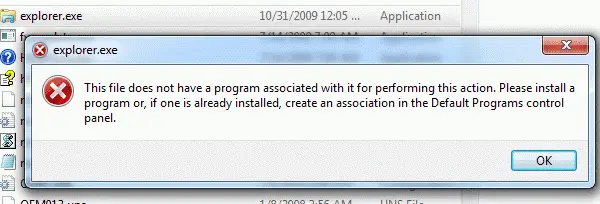
This file does not have a program associated with it for performing this action. Please install a program or, if one is already installed, create an association in the Default Programs control panel.

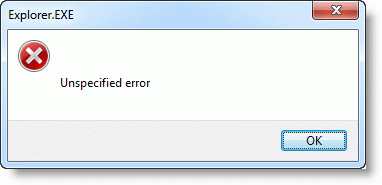
And using the Win + E key sequence causes “Unspecified error”

However, Explorer may launch correctly when including additional switches such as /e or /n with explorer.exe, or double-click the This PC icon. Also, all other shortcuts for other applications Pinned to the Taskbar may work fine, thus implying that this is not a Shortcut (.lnk) file association problem.

Cause

This problem occurs due to missing data in the HKEY_CLASSES_ROOT\Folders registry key. The File Explorer pinned shortcut located at the following path is a special shortcut that references a value under the “Folder” registry key:

%AppData%\Microsoft\Internet Explorer\Quick Launch\User Pinned\TaskBar

Information in this article applies to Windows Vista through Windows 10.Read more

How to Remove Pin to Taskbar Option For a Particular Application in Windows 7?

If you have a host application that you don’t want to be pinned to the Windows 7 taskbar, you can do so by adding a registry value in the application registration area. By default Windows prevents the following host processes from being pinned to the taskbar.

  1. RUNDLL32.EXE
  2. MSHTA.EXE
  3. DLLHOST.EXE
  4. APPLAUNCH.EXE
  5. HH.EXE
  6. WINHLP32.EXE
  7. MMC.EXE

… and other file names defined in the following registry key in string values HostApps, AddRemoveApps and AddRemoveNames

HKEY_LOCAL_MACHINE \ SOFTWARE \ Microsoft \ Windows \ CurrentVersion \ Explorer \ FileAssociation

To remove the Pin to Taskbar (and "Pin this program to taskbar") context menu options for a particular application, use these steps:Read more